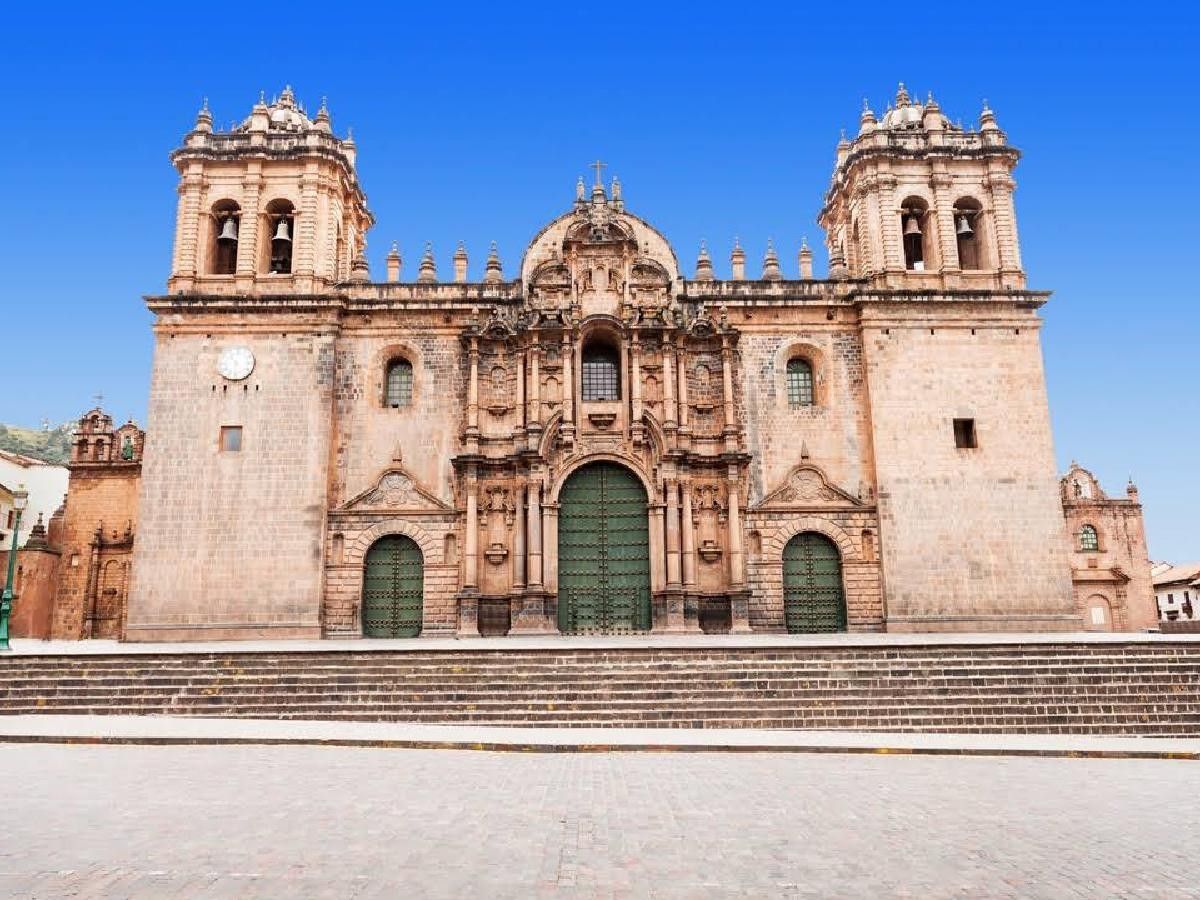
Cusco Cathedral, a religious monument built in 1550, combines the elegance of the Renaissance with the mystery of Inca civilization and is the heart of the ancient city of Cusco. This article will take you into this church that carries faith and stories.
Advertisement
The Imprint of Faith in Spanish Colonization
Advertisement
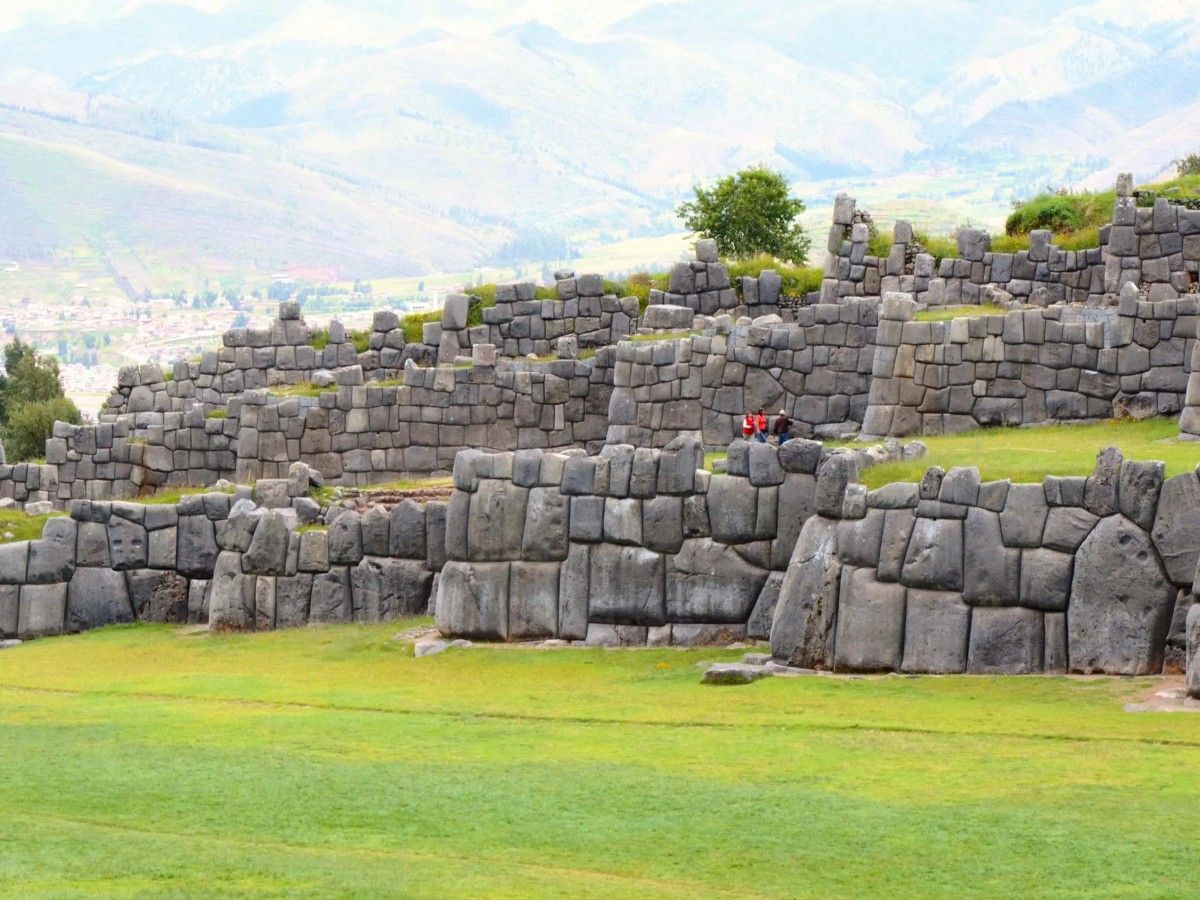
The construction of Cusco Cathedral began in 1550 and took a hundred years to complete. It is a symbol of the Spanish colonists' declaration of Catholic authority to the Andes. The church adopts the Spanish Renaissance style and uses the boulders of the Sacsayhuaman ruins as building materials, showing the wisdom of the colonists in using the Inca heritage. The church houses a large number of religious artworks, including paintings by masters such as Rubens. The most eye-catching of them is the "Cusco Version of The Last Supper" - in the painting, the plates of Jesus and his disciples are actually filled with roasted guinea pig, a traditional Peruvian delicacy, which reflects the wonderful fusion of colonial culture and local customs.
The hidden echo of Inca civilization
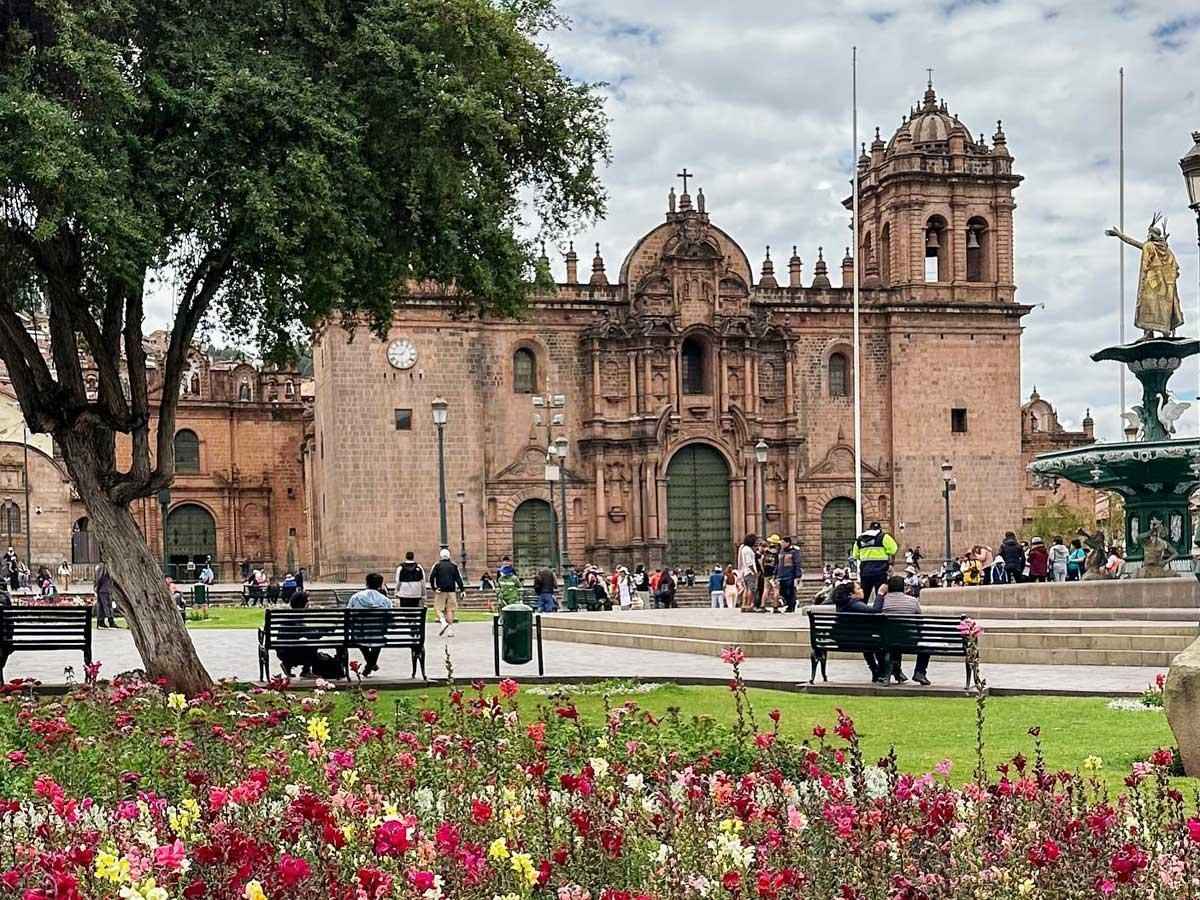
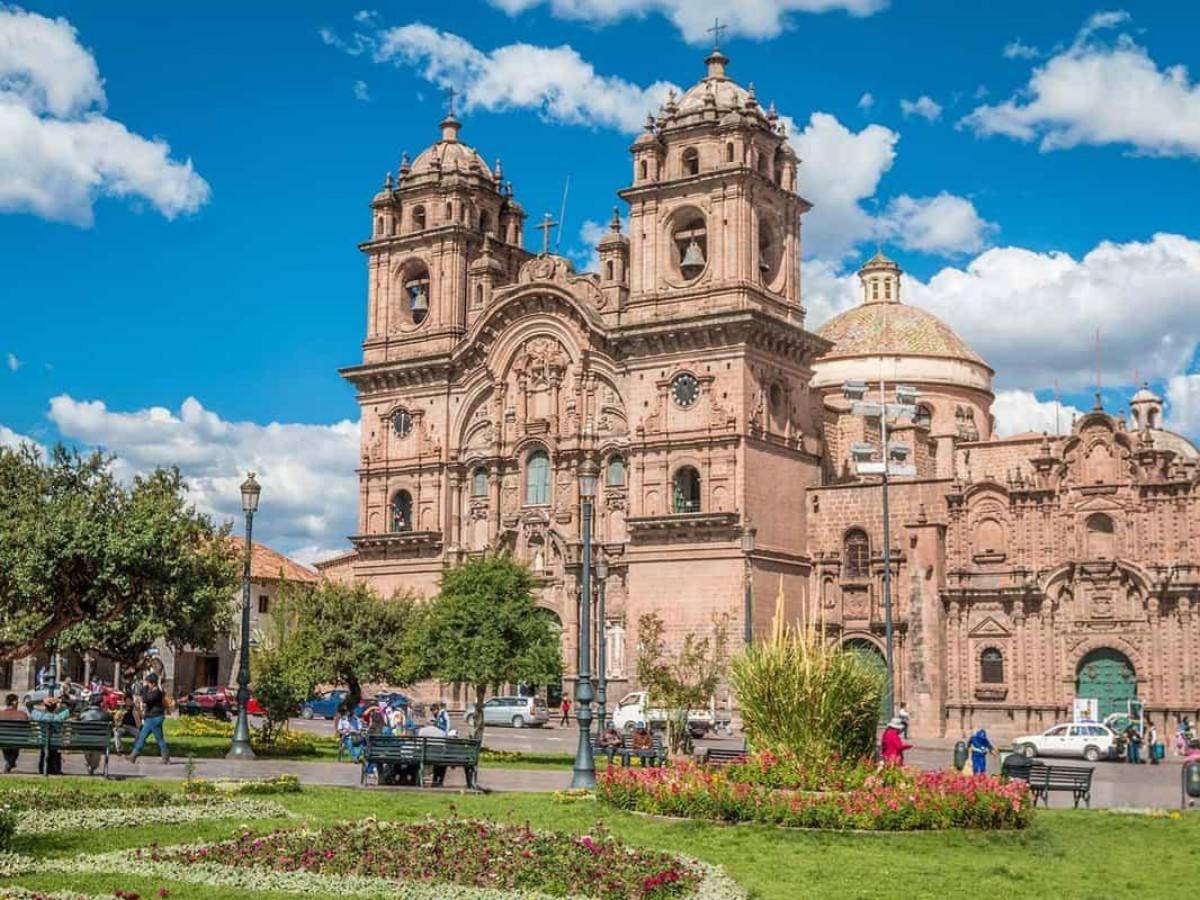
The church is located on the east side of the Plaza de Armas in Cusco, the capital of the Inca Empire. Under its foundation, the ruins of the palace of the Inca god Viracocha are buried. Although the Spanish tried to erase the traces of Inca civilization, the architectural layout of the church is surprisingly consistent with the orientation of the Inca temple, as if it is a silent tribute to the ancient faith.
Architectural miracles and natural challenges
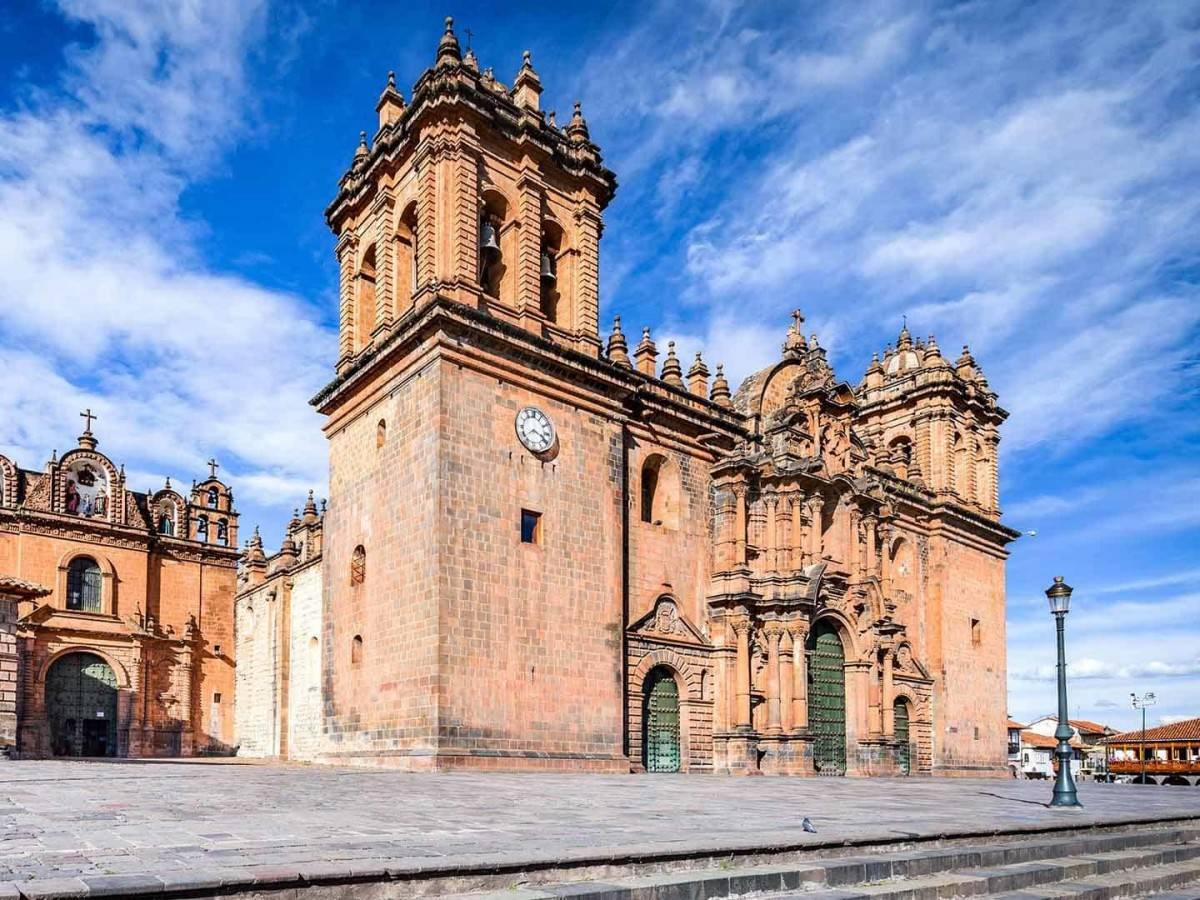
The church has survived four major earthquakes in more than 400 years and still stands. Its solid stone structure is inseparable from the geological characteristics of the Andes Mountains. A 13-ton giant bell is hung on the Gospel Bell Tower at the top of the church. The sound of the bell can be heard 40 kilometers away. It is one of the largest bells in South America.
From the center of Cusco
Advertisement
Walking: Cusco Cathedral is located on the east side of Plaza de Armas, and it only takes 5 minutes to walk from the square. You can enjoy the colonial-style buildings along the way and feel the historical atmosphere of the ancient city.
Taxi: Taxis are convenient in Cusco, and it is cheap to go to the church from any place in the city.
Arriving in Cusco from other cities
Flight: Take a flight from Lima, the capital of Peru, to Cusco (1.5 hours), and then transfer to a taxi or bus to the ancient city.
Train: Take a train from Lima or Arequipa to Cusco, and then walk or take a car to the church.
Tips for plateau adaptation
Cusco is 3,400 meters above sea level, and first-timers may experience altitude sickness. It is recommended to arrive two days in advance to adapt to the environment, avoid strenuous exercise, drink plenty of water and carry oxygen cylinders.
Appearance and Plaza
Plaza de Armas: Before visiting the church, you may wish to experience the collision of colonial and Inca civilizations in the Plaza de Armas. The Spanish arcade on the west side of the square is in sharp contrast with the Cusco Cathedral on the east side.
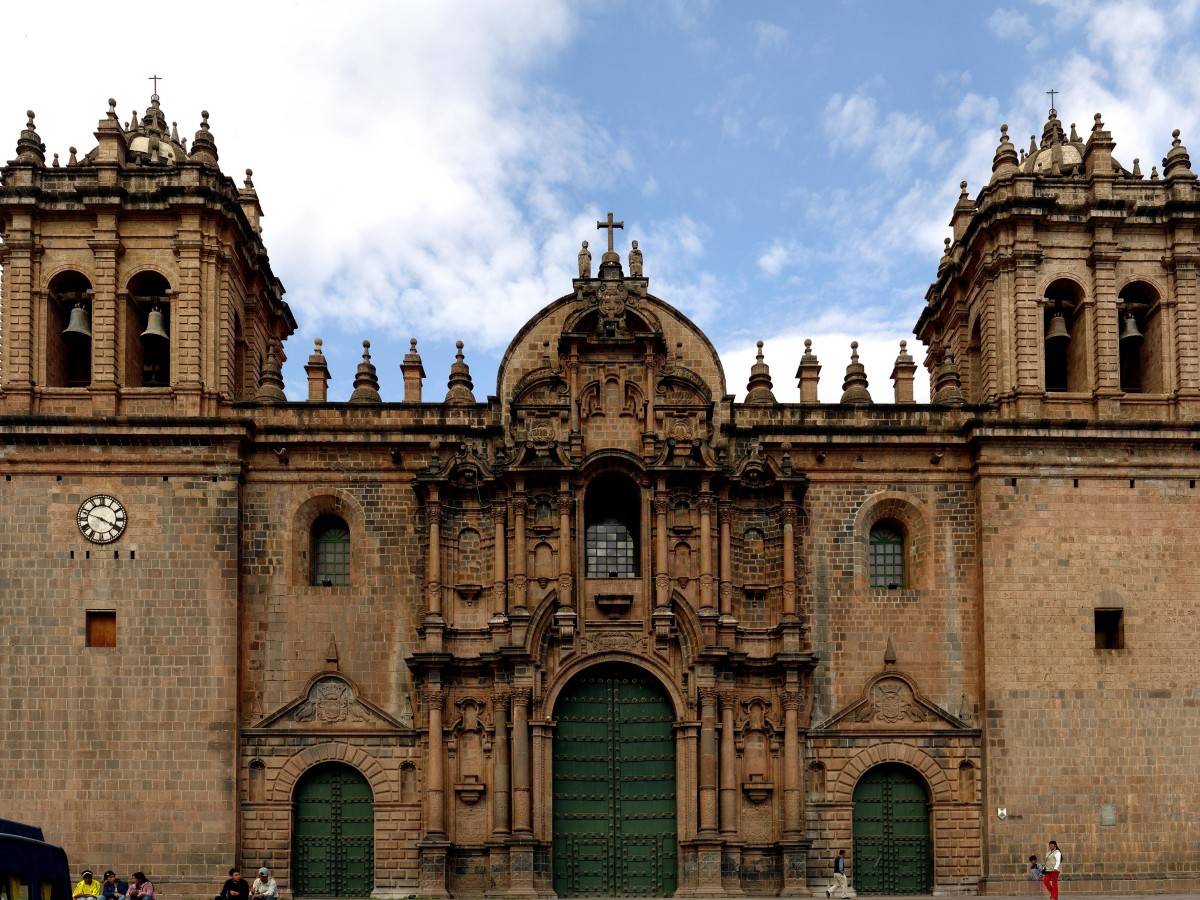
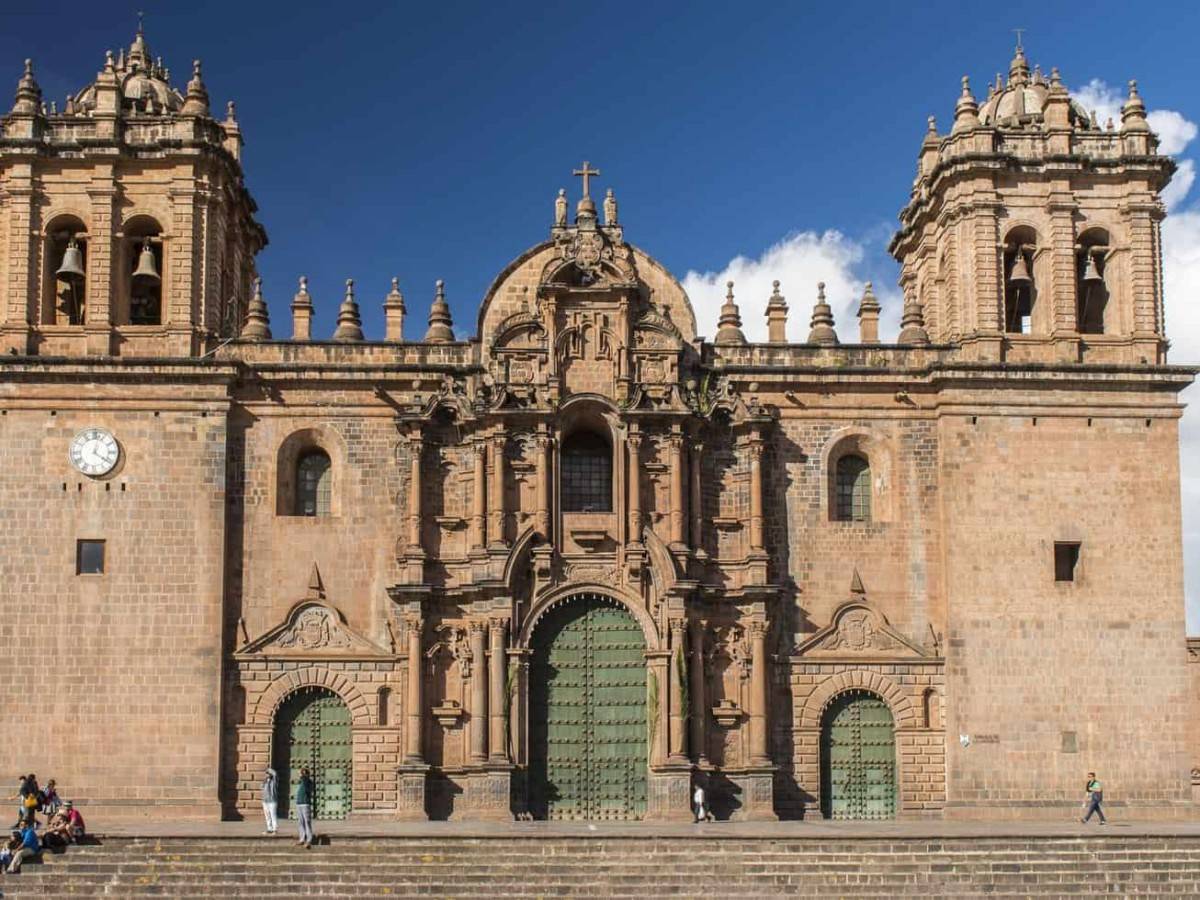
Church exterior: The church's Baroque-style facade is gorgeously decorated, and the beautifully carved stone doors and religious reliefs are worth savoring.
Internal tour
Main altar: The silver-plated altar and the statue of the Virgin Mary decorated with gold foil are shining, showing the artistic luxury of the Spanish colonial period.
"The Last Supper": Find this famous painting that combines colonial and local cultures, and feel the humor and profound meaning of the roasted guinea pig in the painting.
Religious artworks: The famous paintings, sculptures and wood carvings collected in the church reflect the profound influence of European art on the colonies in the 17th century.
Bell tower and observation deck (if open)
Climbing the bell tower, you can overlook the Plaza de Armas and the ancient city of Cusco, which is a great location for photography enthusiasts.
Opening hours: 8:00-17:00 every day, it may be closed on Sunday morning due to mass, it is recommended to confirm in advance.
Ticket price: The church is free to open, but some areas or special exhibitions may be charged.
Guide service: There are English and Spanish guides at the entrance of the church, and the fee is about US$20/hour. You can also download the "Guide to the Ancient City of Cusco APP" to get a self-guided tour.
Photo Tips: Photography is prohibited inside the church, but the exterior and square are great photo spots. It is recommended to take photos in the early morning or evening when the light is soft.
Sacsayhuaman
2 km from the church, it is famous for its megalithic architecture and is a symbol of Inca military power.
Plaza de Armas, Cusco
The square is dotted with colonial buildings and is the core area for experiencing the history of the ancient city.
San Cristobal Church
Located high in the ancient city, it is an excellent place to overlook the panoramic view of Cusco.
Cusco Cathedral is not only a religious building, but also a witness to the dialogue between colonial and Inca civilizations. When you stand under the stained glass windows of the church and look up at the "roasted guinea pig version of The Last Supper", it seems as if you can travel through time and space and hear the stonemason's panting and the priest's chanting. Here, every stone and every painting tells a story about faith, conquest and integration. Whether you are a history fan, art lover or cultural explorer, Cusco Cathedral will leave an indelible mark on your trip to Peru.